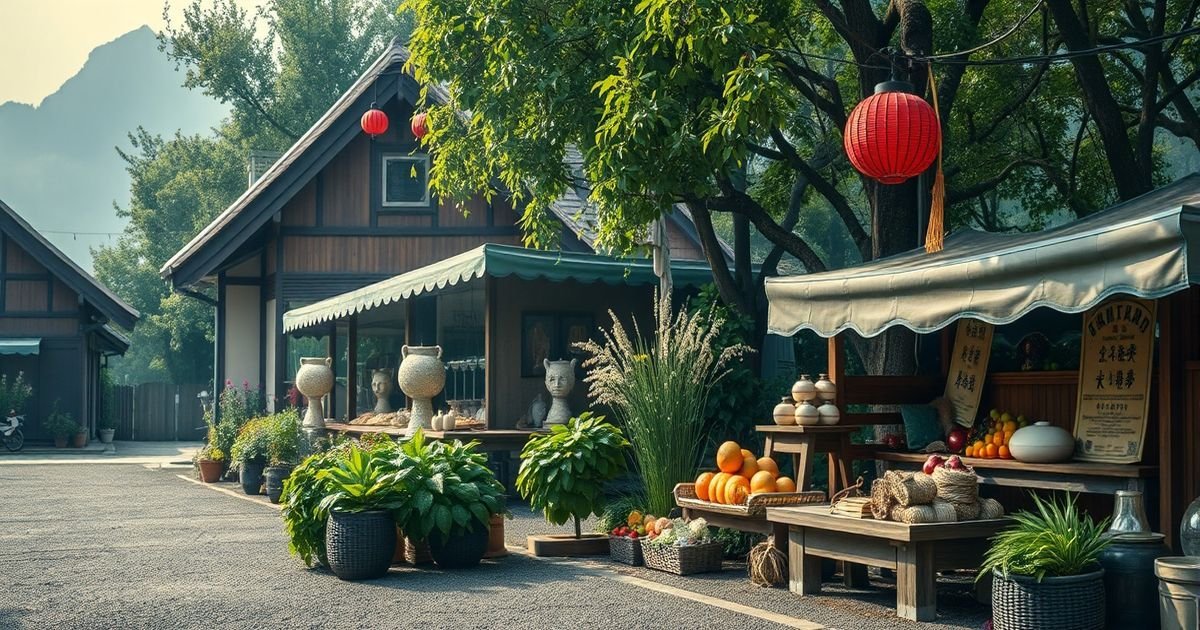
If you’re exploring cutting-edge approaches to garden design, you may have encountered the term Zuhagarten. This distinctive concept is rapidly gaining popularity among homeowners and landscape architects seeking to blend functionality with aesthetic appeal. But what exactly is Zuhagarten, and why is it becoming a go-to solution for modern outdoor spaces? This comprehensive guide will walk you through the essentials of this innovative garden philosophy, its key benefits, and practical steps to implement it in your own yard.
What is Zuhagarten?
Zuhagarten represents a contemporary take on garden enclosure and spatial organization, drawing inspiration from traditional European landscaping principles while incorporating modern sustainable practices. The term itself reflects a compound structure—”zu” suggesting direction or addition, and “Garten” meaning garden—hinting at its core philosophy of creating purposeful, directed garden spaces.
Unlike conventional gardens that often prioritize open layouts, Zuhagarten emphasizes the creation of intimate, defined areas within your outdoor environment. This approach utilizes natural barriers, strategic plant placement, and thoughtful architectural elements to establish distinct “garden rooms” that serve specific functions, whether for relaxation, cultivation, or entertainment. According to landscape design principles documented on Wikipedia, this compartmentalization technique has roots in formal European gardens but has been adapted for today’s smaller urban spaces.
Key Features of Zuhagarten Design
A well-executed Zuhagarten incorporates several signature elements that set it apart from traditional landscaping:
- Layered Planting Zones: Multiple tiers of vegetation create depth and visual interest while maximizing space efficiency
- Natural Enclosures: Living hedges, trellises, and strategically placed shrubs form organic boundaries instead of hard walls
- Functional Compartments: Each section serves a dedicated purpose—herb spirals, meditation corners, vegetable patches, or social gathering areas
- Sustainable Infrastructure: Integrated rainwater harvesting, composting systems, and native plant selections reduce environmental impact
- Year-Round Structure: Evergreen elements and architectural features ensure visual appeal across all seasons
These components work synergistically to create a garden that feels both expansive and intimate, private yet connected to the broader landscape.
Benefits of Implementing Zuhagarten
Adopting the Zuhagarten approach offers numerous advantages for property owners. First, it dramatically enhances privacy without requiring unsightly fencing. Natural barriers filter noise and create secluded retreats just steps from your home. Second, this design philosophy improves microclimates within your yard; sheltered areas protect delicate plants from harsh winds while creating sun traps for heat-loving species.
From an aesthetic standpoint, Zuhagarten delivers exceptional visual diversity. The interplay of enclosed and open spaces creates dynamic views that change as you move through the garden. Additionally, the compartmentalized structure makes garden maintenance more manageable—you can focus on one zone at a time rather than facing an overwhelming entire yard.
Property value also sees a measurable boost. Well-designed garden spaces consistently rank among top features for potential buyers, with Britannica noting that thoughtfully planned landscapes can increase home values by up to 20 percent.
How to Create Your Own Zuhagarten
Transforming your outdoor space into a Zuhagarten requires careful planning and execution. Follow these essential steps:
- Assess Your Space: Map sunlight patterns, wind directions, and existing vegetation. Identify natural focal points and areas needing screening.
- Define Your Zones: Determine how many compartments you need and their purposes. Most successful designs include 3-5 distinct areas for optimal flow.
- Select Boundary Elements: Choose appropriate natural barriers—boxwood hedges for formal spaces, native grasses for informal areas, or fruit trees for dual-purpose boundaries.
- Implement Infrastructure: Install irrigation systems, pathways, and any hardscaping before planting. This prevents disturbing established plants later.
- Plant in Layers: Start with canopy trees, then understory shrubs, followed by perennials and groundcovers. This creates immediate depth and maturity.
- Add Architectural Details: Incorporate seating, lighting, and decorative elements that reinforce the theme of each garden room.
For more insights on launching your own landscaping projects, explore our resources on business planning and execution.
Zuhagarten vs Traditional Gardens
While traditional gardens often emphasize open lawns and specimen plantings, Zuhagarten prioritizes enclosure and intimacy. Conventional designs typically create a single, unified space viewed from a distance, whereas Zuhagarten invites exploration and discovery through its series of connected rooms.
Maintenance requirements also differ significantly. Traditional lawns demand frequent mowing and watering, while Zuhagarten‘s diverse plantings often require less intensive care once established. The initial investment in a Zuhagarten may be higher due to structural elements and diverse plant selection, but long-term costs typically decrease as native, drought-tolerant species mature and natural systems become self-sustaining.
Is Zuhagarten Right for You?
Before committing to a Zuhagarten transformation, consider your property’s size, climate, and your lifestyle needs. This approach excels in medium to large yards but can be adapted for smaller spaces through vertical gardening and clever spatial illusions. Urban properties benefit immensely from the privacy and noise reduction features.
Climate plays a crucial role in plant selection. Work with local nurseries to choose species that will thrive in your specific conditions while maintaining the aesthetic principles of Zuhagarten. If you enjoy entertaining, the compartmentalized design naturally accommodates different gathering sizes and activities.
For those launching new ventures in the landscaping industry, understanding concepts like Zuhagarten can provide competitive advantages. Check out our website for additional business development tools and strategies.
Ultimately, Zuhagarten represents more than just a garden style—it’s a philosophy of intentional outdoor living that creates harmony between human activity and natural growth. By thoughtfully designing spaces that serve specific purposes while respecting ecological principles, you can cultivate an outdoor environment that evolves beautifully over time, providing sanctuary, productivity, and endless visual delight for years to come.